Foreigner Within: A Photo Essay
Cultural belonging in the U.S. can seem elusive for Asian Americans, whose national belonging has been constantly questioned and legally denied. Growing up as a mixed-race Korean-Euro American, I was an even greater deviation from the norm that often left me feeling marginalized, exposed and vulnerable. “Foreigner Within” is a photographic essay shot in collaboration with my husband, David M. M. Taffet, which disrupts national narratives and gendered expectations of Asian women in the U.S. It exposes the tensions and dismantles the cultural boundaries of Asianness within the U.S. and loudly asserts my national and cultural belonging as a mixed-race Asian American woman.
Christie Zwahlen
Christie Zwahlen has more than a decade of experience developing strategic partnerships and spearheading civic engagement efforts across academia and the public and private sectors. She is JukeStrat Venture Studio’s voice, activist-in-residence and co-founder. Her focus is on ghostwriting, authentic brand communication and social impact.
David M. M. Taffet
David Taffet is a parallel entrepreneur and a turnaround expert with 30-plus years of experience building companies, leading teams, raising capital, and developing cross-sector partnerships for commercial and public gain. His photography promotes connection with people from diverse backgrounds by crafting visual stories that elicit an emotional response. For more visit www.invisibleman.photography
Growing up as a mixed-race Korean Euro-American, people looked at me and asked, “what are you?” or “where are you from?” As I see it now, their curiosity was two-pronged: not only was I of Asian descent (and, thus, foreign), but I clearly wasn’t fully Asian. With Korean eyes and an Italian nose, I was an even greater deviation from the norm, and people found it remarkable.
In Margins and Mainstreams, historian and cultural critic Gary Okihiro pointedly asks “Is yellow black or white?” The binary construction of the question invites an intentional either/or response. Neither black nor white, America’s social construct positions Asian Americans as perpetual foreigners, rendering yellow both glaringly conspicuous and indecipherable. No matter how far back an Asian American can trace their roots in California or New York, the question of “where they’re really from” will always linger. Constantly searching for ways to be seen, heard, and accepted within an American system of racial binarism that privileges whiteness, denigrates blackness, and locates yellowness somewhere in a No Man’s Land of racial categorization, cultural belonging can seem elusive for Asian Americans, a people whose national belonging has been culturally questioned and legally denied.
The racial ambiguity of my mixed-race heritage, the hint of Asianness that marked me as something else, heightened people’s confusion about “what I am.” As Michael Omi and Howard Winant noted in their work, Racial Formation, “Without a racial identity [in America], one is in danger of having no identity.” Racial intermixing or “miscegenation” was illegal in much of the United States from 1661 to the relatively recent 1967 landmark decision in Loving v. Virginia, which concluded that laws banning miscegenation were unconstitutional. Thus, within the historical and political context of the United States, multiracial identities have historically been scandalized, denied, and repudiated by both Whites and people of color. Many accounts exist of interracial couples and their children being discriminated against by their own Asian communities. Thus, as a multiracial Korean/White American, I spent much of my life trying to hide a part of myself in order to prove that I did, in fact, belong.
Today, firmly rooted in who I am, I refuse to negotiate my cultural or legal status. I own and embrace my inbetweenness as a multiracial Asian American, and this photographic essay declares that. Exposing the tensions and juxtapositions of my experience, the photos are meant to disrupt national narratives that have historically denied the inclusion of Asian Americans and multiracial Americans within the body politic. The photos employ racial, national, and gender dissonance to dismantle the cultural boundaries of Asianness within the U.S. and disrupt the gendered expectations of Asian American women that accompany them.
This photographic essay builds on the contributions of artists like Nikki S. Lee, a South Korean-born photographer and filmmaker who strategically appropriates different cultures (e.g. punk, hip hop, Latinx) to raise questions about identity and belonging. In defiance of potential exclusion or the provocation of racial aggression, the photos in Foreigner Within act as a visual platform from which my inclusion in the American project is declared. In these culturally iconic heartland settings, I announce my Korean heritage for all to see, and I proudly own my Americanness. Like Asian/Asian Americans from centuries past, my contribution to the physical, economic, and cultural landscape of America cannot be denied. I am the sum of my parts, and that is what I hope these images portray.
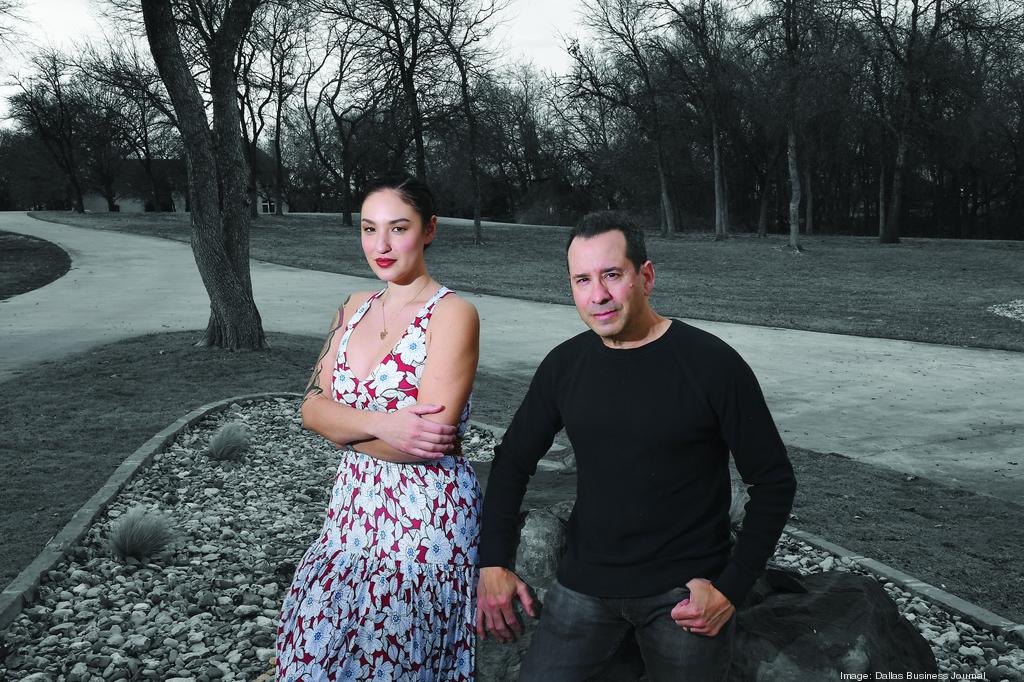
My husband, David M. M. Taffet, and I collaborated on this project from start to finish. As an immersive ethnographic photographer, these photos were a departure from David’s usual improvisational shooting style. I’m grateful for his willingness to experiment with me throughout this process. We continue to brainstorm new ways of visually communicating my mixed-race experience through photography, and as part of that, we plan to add more photos to this ongoing series.
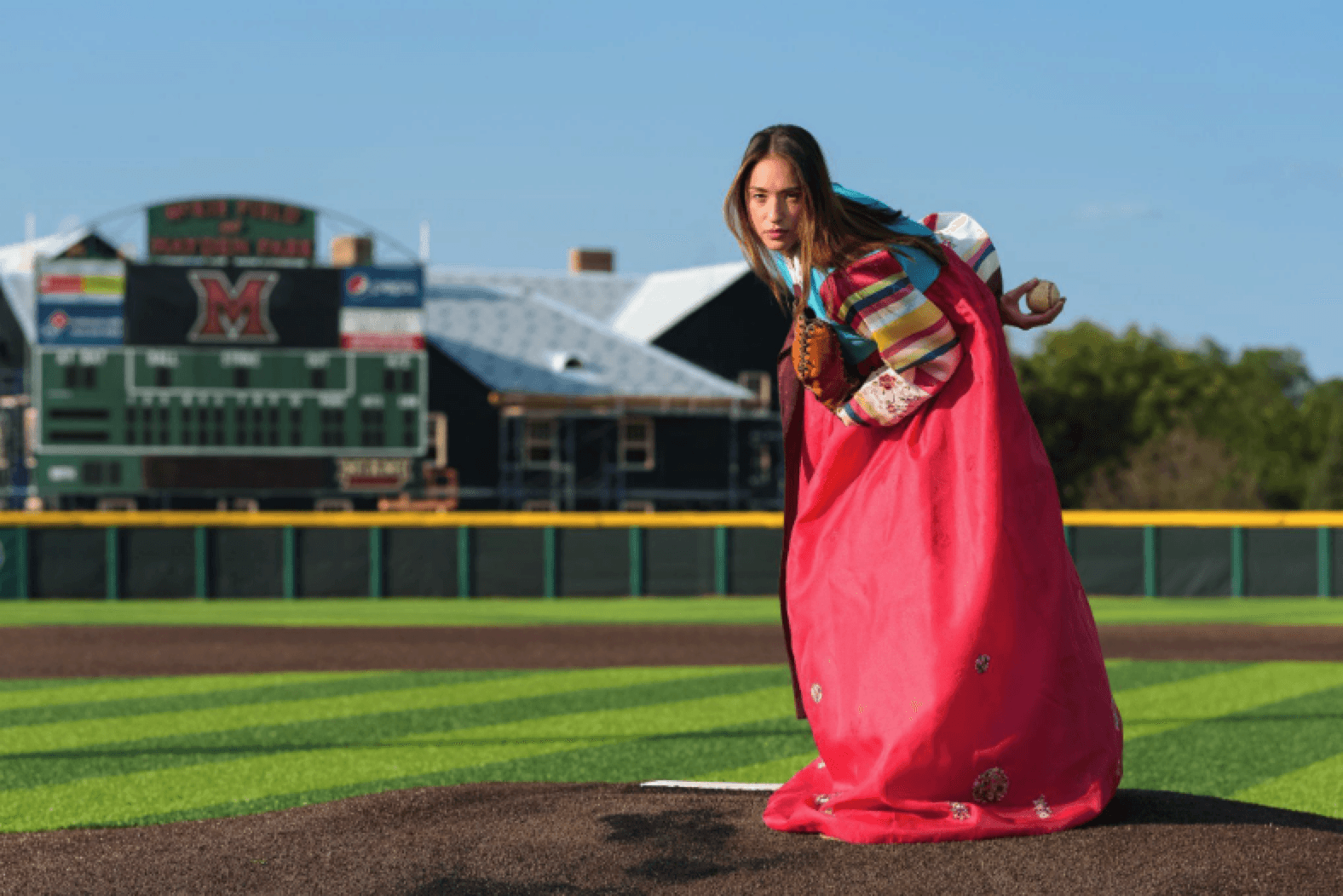
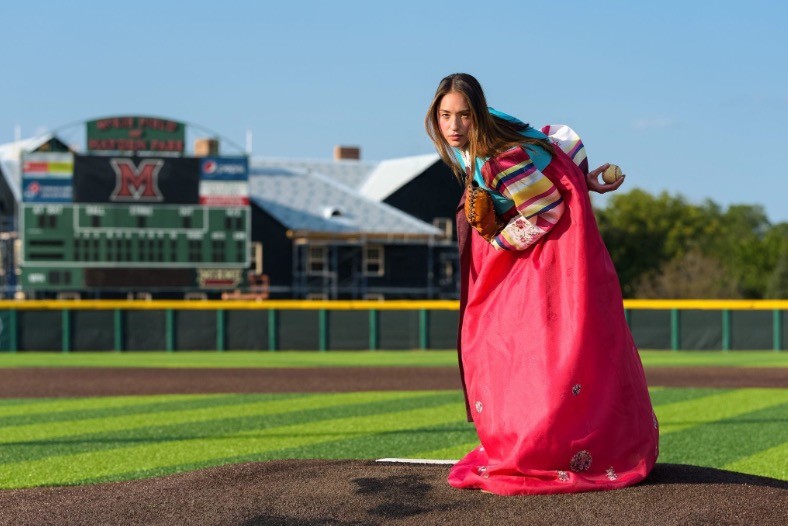
STRIKER Foreignness becomes legible when set against the visual language of normativity. Wearing a traditional Korean hanbok while engaging in America’s pastime defies the racial and gender expectations of onlookers. By taking command of the field, I dictate what happens next. I’m the closer and the opener and everything in between. My game. My rules.
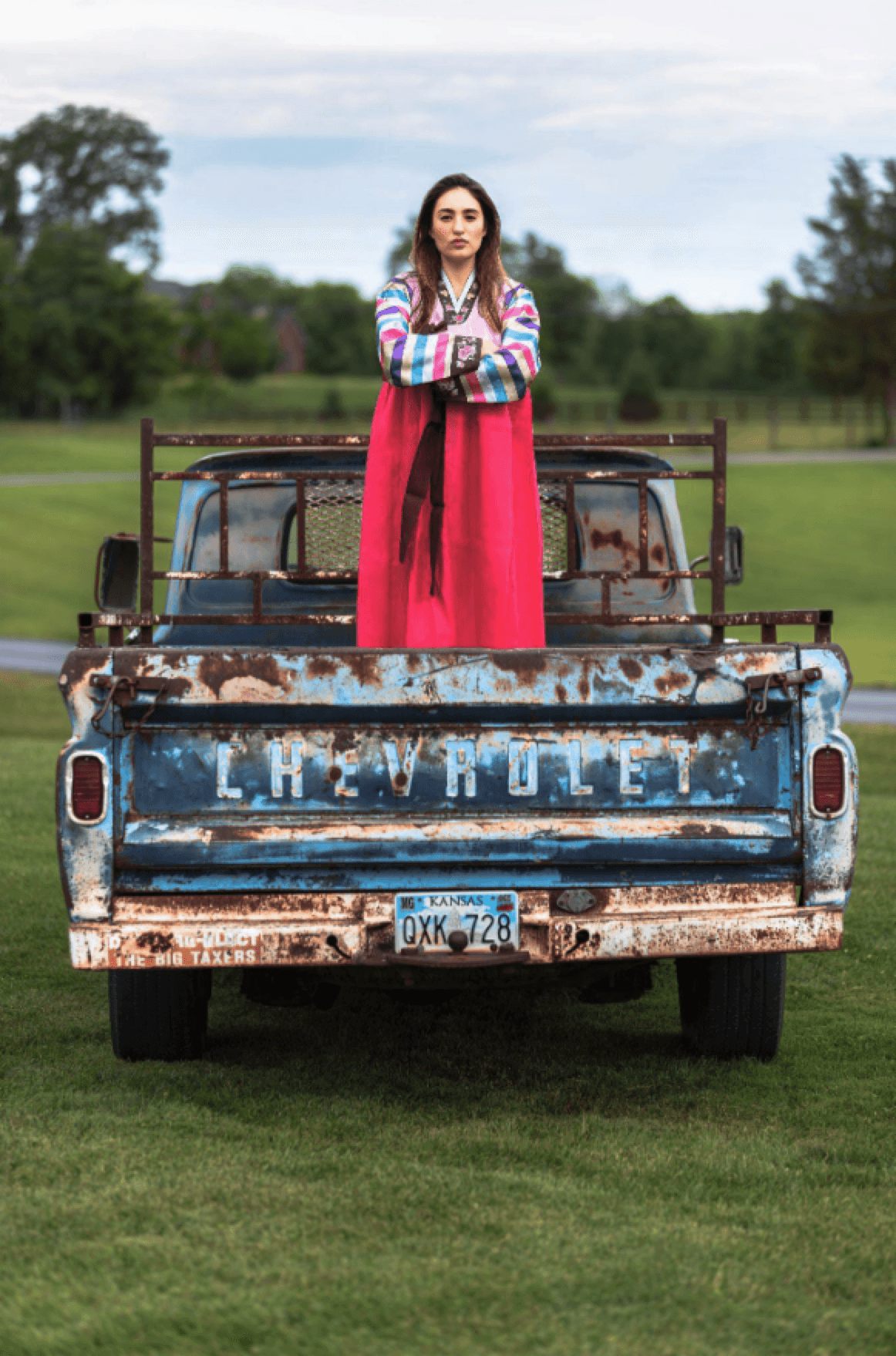
HERITAGE The Chevy Pickup is a cultural icon of the American heartland, where this photo was taken. Here, I proudly own my Americanness as someone whose cultural citizenship is often in question. Though I’m not pictured in the driver’s seat, the photo seeks to communicate agency, ownership, and pride.
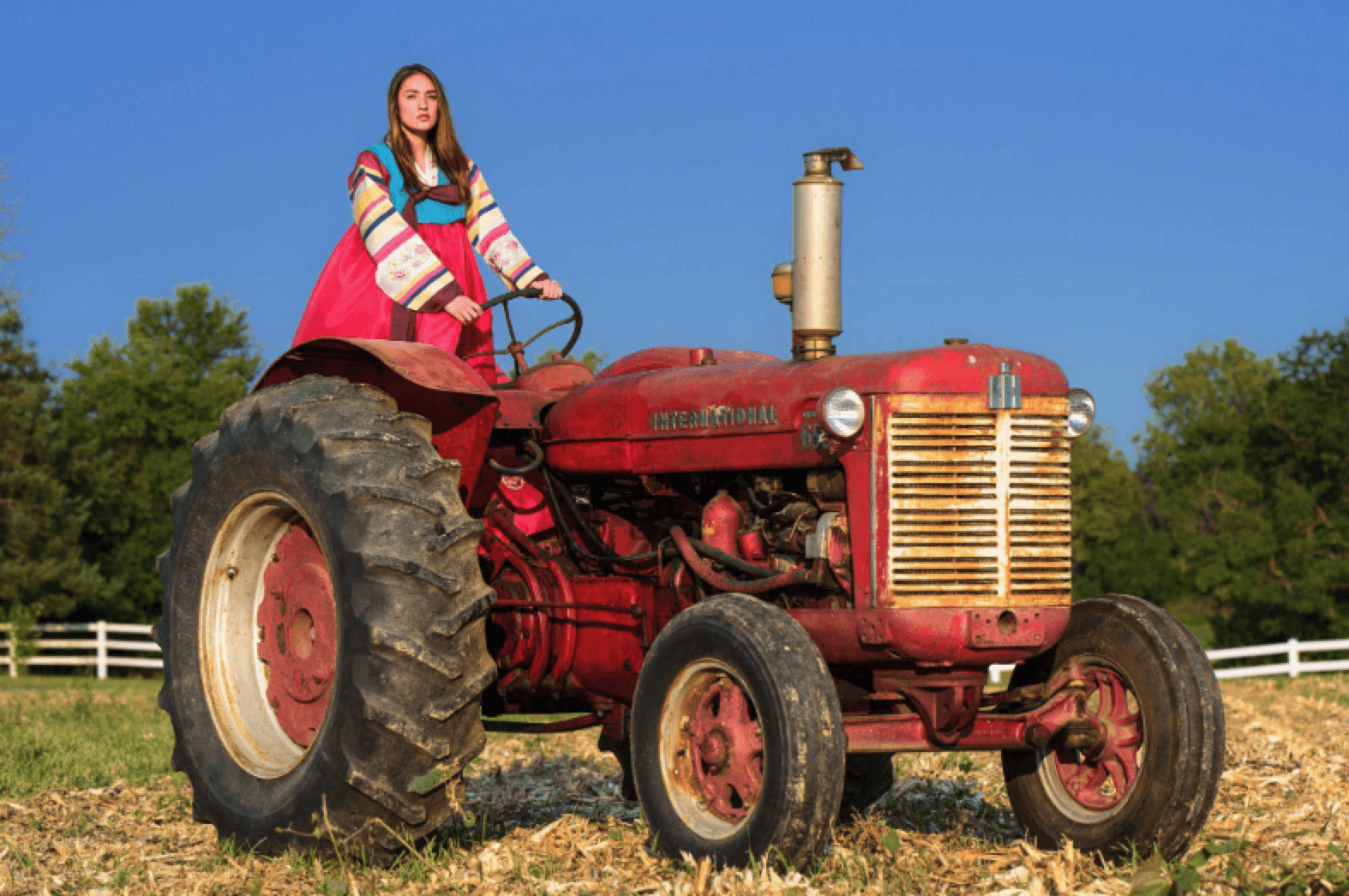
BACKBONE Frequently, the American heartland is referred to as “the backbone of America.” Here, where corn and soybean fields are ubiquitous, the notion of an America built in part by people of Asian descent seems totally fictitious. This photo reasserts the contributions of Asian peoples’ physical labor in the construction of America. Today, Asian/Asian American farmers are almost nonexistent in rural Ohio, where this photo was taken, but Hmong American farmers make up more than 50% of all farmers selling their harvest at Minnesota’s Twin Cities metropolitan farmers markets. In fact, Hmong farmers generate over $250 million annually for the Twin Cities’ economy.
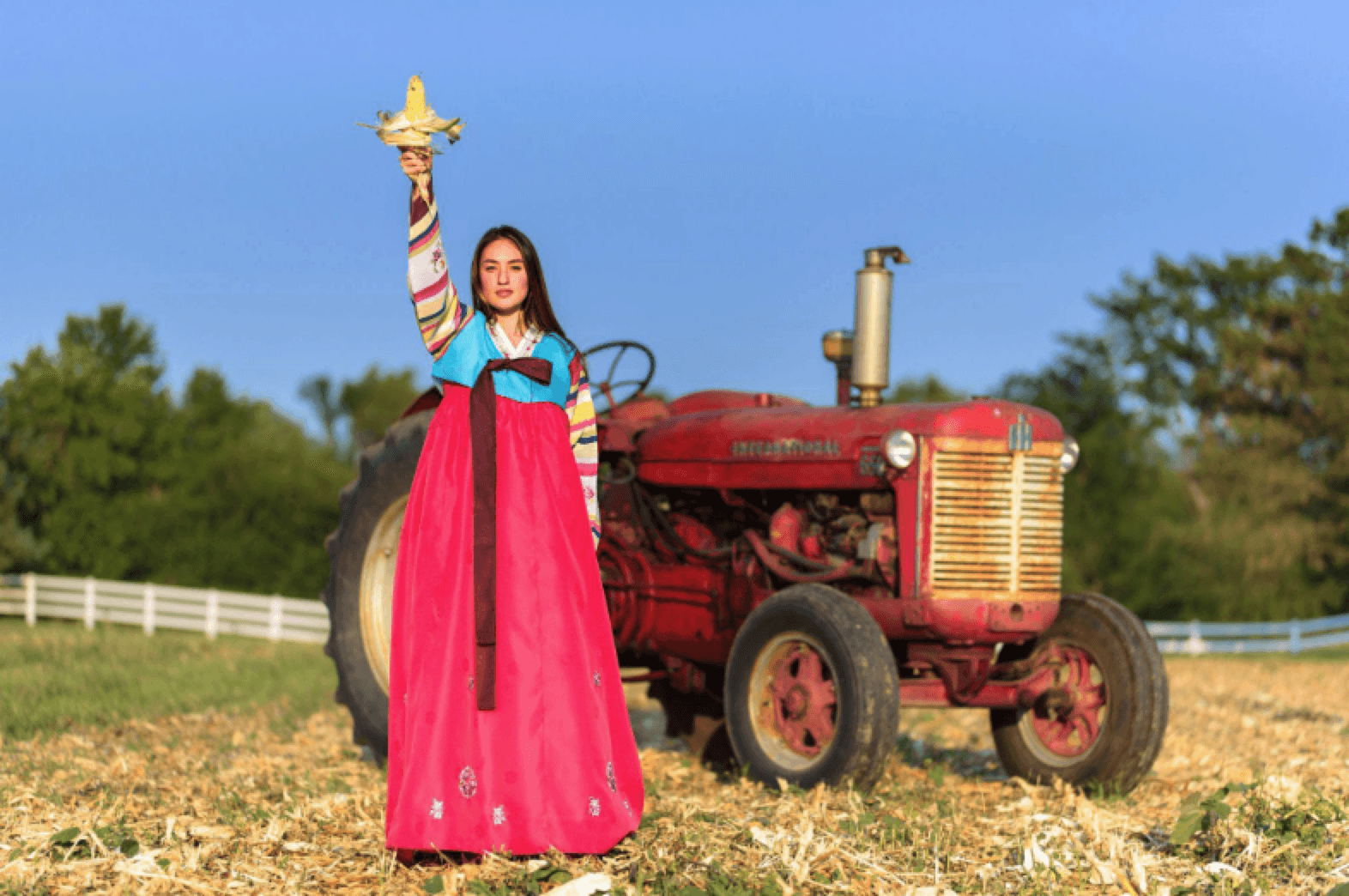
LIBERTY This image explicitly appropriates the classic American symbol of Lady Liberty. The assertion is simple: Asian bodies should be able to stand for and represent America in all contexts. We have been co-constructing America alongside Black, Latinx, Indigenous, and White Americans since its inception, and we can and should take pride in the labor, art, and intellectual contributions that make our country what it is.